


Compute Layer: Edge → Regional → Sovereign Cloud
Move from “cable as pipe” to “cable as distributed nervous system.”
Three-Tier Processing
Processing happens at three levels:
Tier 1: Seabed/Near-Seabed Edge
- Location: Hydra hubs, subsea junction boxes
- Capability: Limited compute, event detection
- Role: Filter, alert, compress
Tier 2: Landing-Station Micro Edge
- Location: Cable landing facilities
- Capability: Filtering, compression, encryption, local retention
- Role: Gateway processing, security boundary
Tier 3: Regional North Nodes + Southern Sovereign DCs
- Location: Modular data centers near Arctic communities; bulk facilities in southern Canada
- Capability: Full compute stack, storage, AI training
- Role: Analytics, long-term storage, service delivery
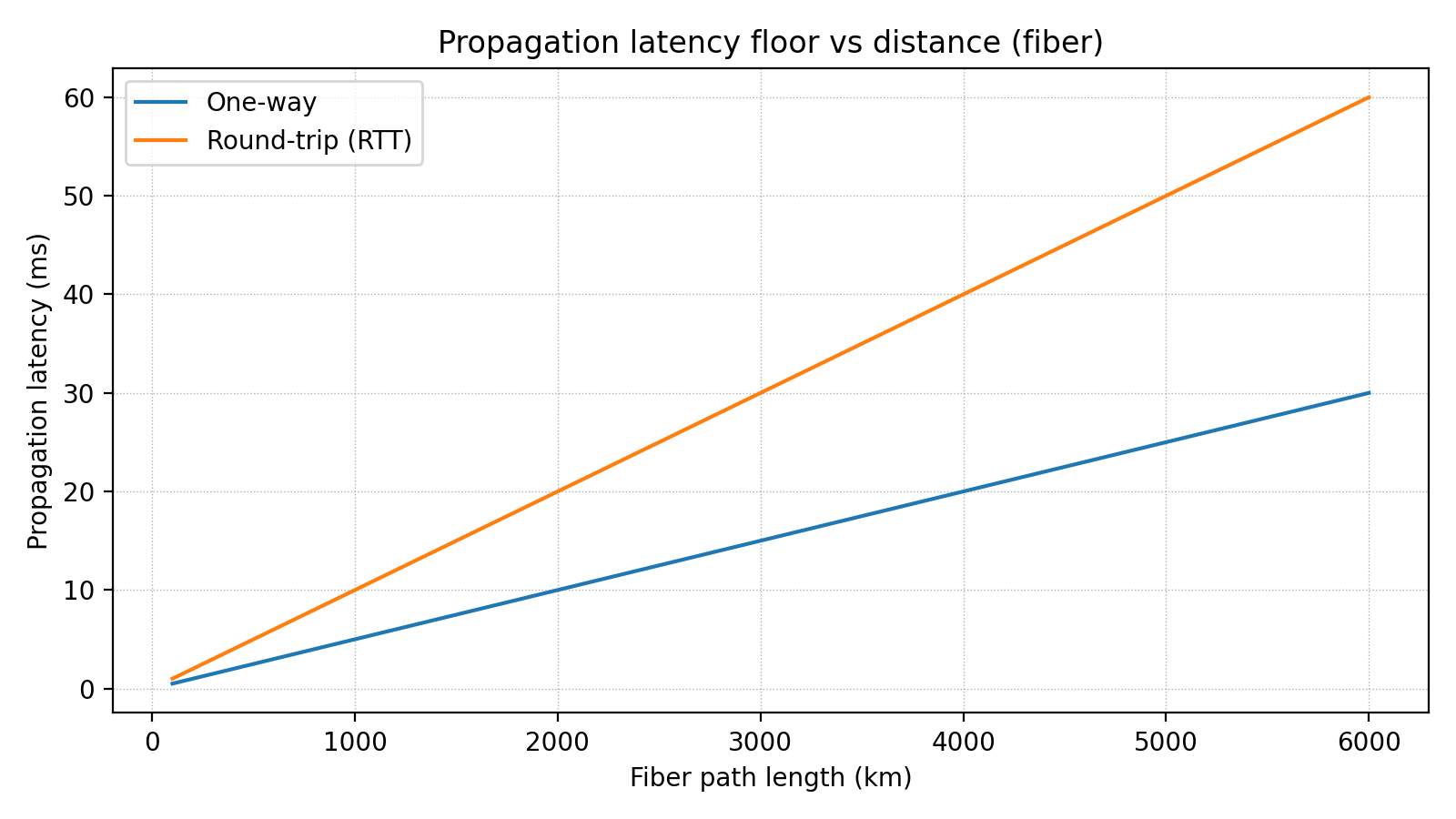
Latency Strategy
Build “North Atlantic Edge POPs” near landing sites with:
- Caching — Reduce round-trips to distant origins
- Security processing — Encryption/decryption at the edge
- Low-latency corridors for:
- Defense / SAR / maritime safety workloads
- EDA/HPC workloads for semiconductor fabs
- AI inference (not training) for regional services
Sovereignty Requirements
All data-at-rest and compute for Canadian/allied workloads remains within sovereign boundaries:
| Principle | Implementation |
|---|---|
| Data residency | No transit through non-allied jurisdictions |
| Operator control | Canadian-owned SPV operates core infrastructure |
| Audit trail | Full provenance for sensitive workloads |
Technology Stack Highlights
- Modular/containerized data centers (rapid deployment)
- Liquid cooling + immersion for high-density AI nodes
- Waste heat integration with district heating